


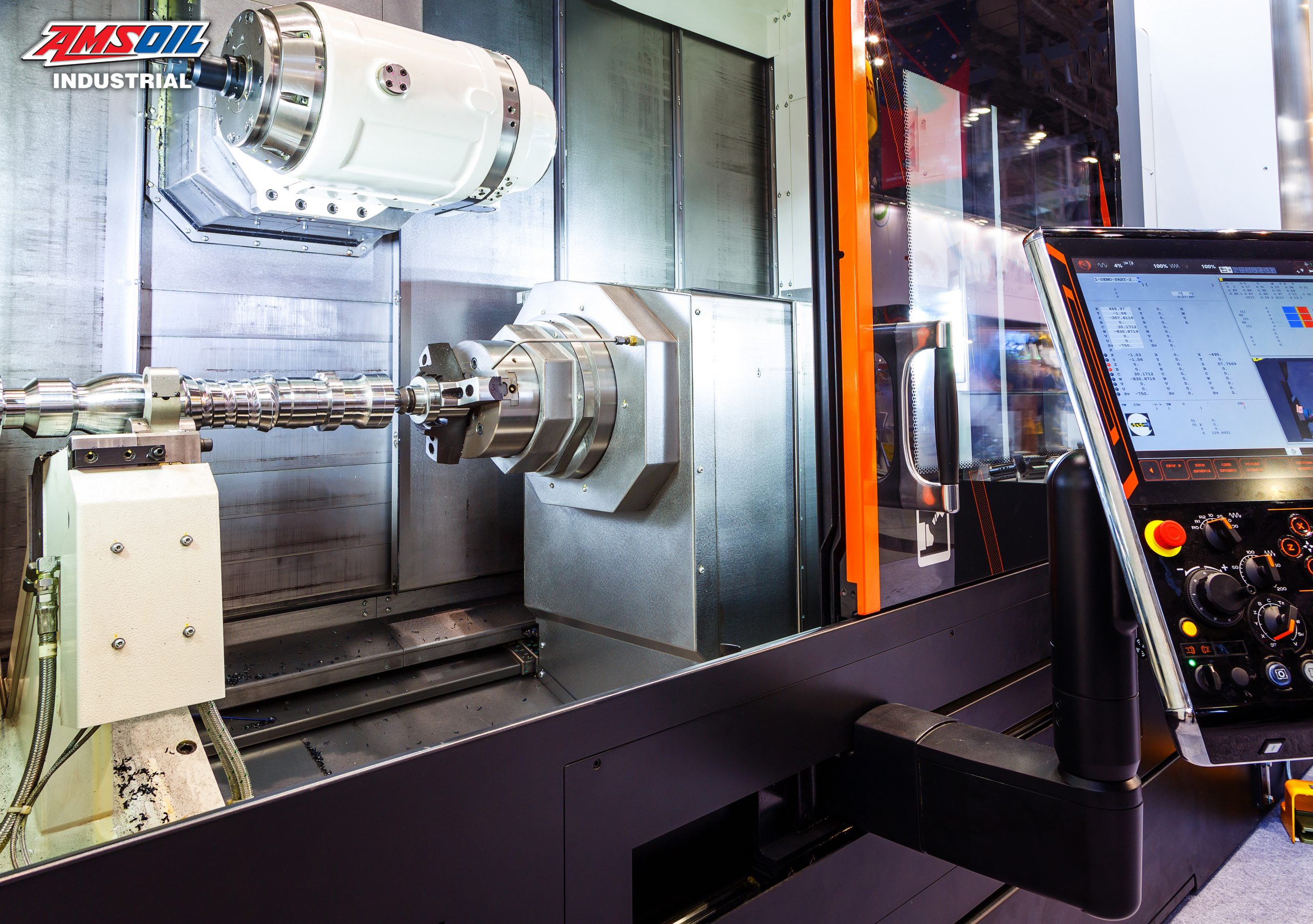
Coolant instability builds gradually through contamination, microbial activity and unmanaged concentration drift. Effective sump management requires a controlled process that protects fluid integrity and keeps systems clean to maintain predictable machining performance. A consistent, disciplined approach to maintenance helps stabilize the fluid, reduce consumption, extend sump life and minimize downtime.
Control Contamination at the Source
Contamination drives many coolant failures. Tramp oil, fines and process debris introduce instability that additives cannot offset once the system is overloaded. Maintaining low contamination levels helps preserve additive balance, stabilize emulsions and reduce the need for corrective maintenance.
Tramp oil ingress should be monitored and managed continuously. Surface skimmers remove free oil, while systems with high leakage may benefit from coalescers or other removal methods capable of addressing emulsified oil. Persistent oil ingress often traces back to machine condition, including worn seals, over-lubrication or poor guarding.
Particulate control also influences sump life. Fine metallic particles can contribute to tool wear and create conditions that promote microbial growth. Filtration strategies should match the process. Examples include:
• Cartridge filtration for fine particulates.
• Magnetic separation for ferrous fines.
• Settling zones for gravity separation.
Chip-handling conveyors and evacuation systems should effectively remove fines rather than allow them to remain in the sump, where they can be recirculated as abrasives. Clean-out intervals should align with process load and actual fluid condition rather than relying solely on fixed schedules.
Stabilize Water Quality to Preserve Emulsion Integrity
Water can account for more than 90% of an in-use, water-diluted metalworking fluid, making water quality an important factor in maintaining fluid performance and extending sump life. Water hardness, dissolved solids and alkalinity can influence additive performance and emulsion stability. High hardness can contribute to deposits and emulsion instability, while dissolved solids can accumulate over time and contribute to corrosion and other performance problems.
Using reverse-osmosis or deionized water for dilution and makeup can reduce water-quality variability and help maintain metalworking-fluid chemistry. More consistent water quality makes coolant behavior more predictable and supports tighter control of concentration and performance.
Manage Microbial Activity in the Sump
Bacterial and fungal growth can produce odors, consume additives, shift pH and degrade emulsions. Indicators of microbial activity or deteriorating fluid condition can include:
• Gradual pH decline.
• Increased foaming.
• Surface film.
• Changes in the fluid’s normal appearance.
Extending service life requires disciplined control of fluid chemistry rather than simply treating symptoms. Biocide treatment may be appropriate during active contamination when consistent with the fluid manufacturer’s recommendations and plant procedures, but long-term stability also depends on controlling the conditions that promote microbial growth. Eliminating stagnant areas, maintaining circulation and minimizing tramp oil help make the sump less hospitable to microbial proliferation.
Maintain Concentration


Concentration drift is both a symptom and a potential cause of coolant instability. Running lean can reduce lubricity and corrosion protection, while running rich can increase residue, foam potential and fluid consumption. Consistent concentration helps preserve additive balance, stabilize performance and reduce machining variability.
Routine refractometer measurements should be taken to monitor concentration trends, and unexpected readings should prompt investigation. Verify the fluid-specific correction factor and proper instrument calibration before measurement. Tramp oil may also interfere with refractometer readings, potentially creating an apparent change in concentration rather than an actual change in the coolant-to-water ratio. Increasing concentration can indicate excessive evaporation or improper makeup practices.
Makeup practices should follow the metalworking-fluid manufacturer’s recommended concentration and mixing procedures. Properly mixed makeup fluid is typically preferable to simply adding straight water. Straight water may be appropriate when deliberately correcting for evaporation or reducing an overly rich concentration, provided the adjustment is controlled.
Design and Operate Clean, Active Sumps
Sump design and operating practices influence how well a system resists contamination and stagnation over time. Effective configurations prioritize:
• Turnover and circulation to keep fluid active.
• Accessible geometry for cleaning and maintenance.
• Separation zones for oil and particulate removal.
Centralized systems can offer consistency and easier treatment control, while machine-level sumps allow targeted management for specific processes. Both approaches require maintenance appropriate to throughput, contamination load and fluid condition.
Avoid extended periods of stagnant coolant whenever practical. Systems that remain idle can create conditions conducive to microbial growth and phase instability. Intermittent circulation during extended downtime can help maintain coolant integrity.
Reduce Downtime and Extend Fluid Life
Every unnecessary coolant dump and recharge represents production downtime, disposal cost and fresh-fluid consumption. Extending coolant life can reduce all three when fluid stability and performance remain within acceptable limits.
A proactive maintenance program can help reduce unplanned changeouts, system-cleaning frequency and overall fluid consumption. Maintaining cleaner, more stable coolant can also reduce deposits and contamination that interfere with fluid delivery and system operation. The goal is to keep coolant in service longer while maintaining the condition required for reliable machining performance.
Coolant Reliability Strategy
Coolant should be managed with the same discipline applied to other lubricants and process fluids. Stability, cleanliness and condition monitoring work together to support reliable performance.
When contamination is controlled, water quality is managed, microbial activity is suppressed and concentration is maintained, coolant systems can remain stable for longer periods. The result can be longer service intervals, fewer fluid-related disruptions and more consistent machining conditions.
Treating coolant as a managed asset rather than simply a consumable provides a structured approach to extending sump life without sacrificing fluid performance.
Getting Started
AMSOIL Industrial Application Engineers work with your team to identify opportunities to extend coolant sump life and improve uptime in your specific applications. Contact us today to get a system-level review of your current contamination control, water quality and monitoring practices.
| *Technical properties are general characteristics of the product and not manufacturing specifications. Variations that do not affect product performance should be expected. Product formulations are subject to change without notice. Customers are responsible for determining product suitability for use with their equipment. |