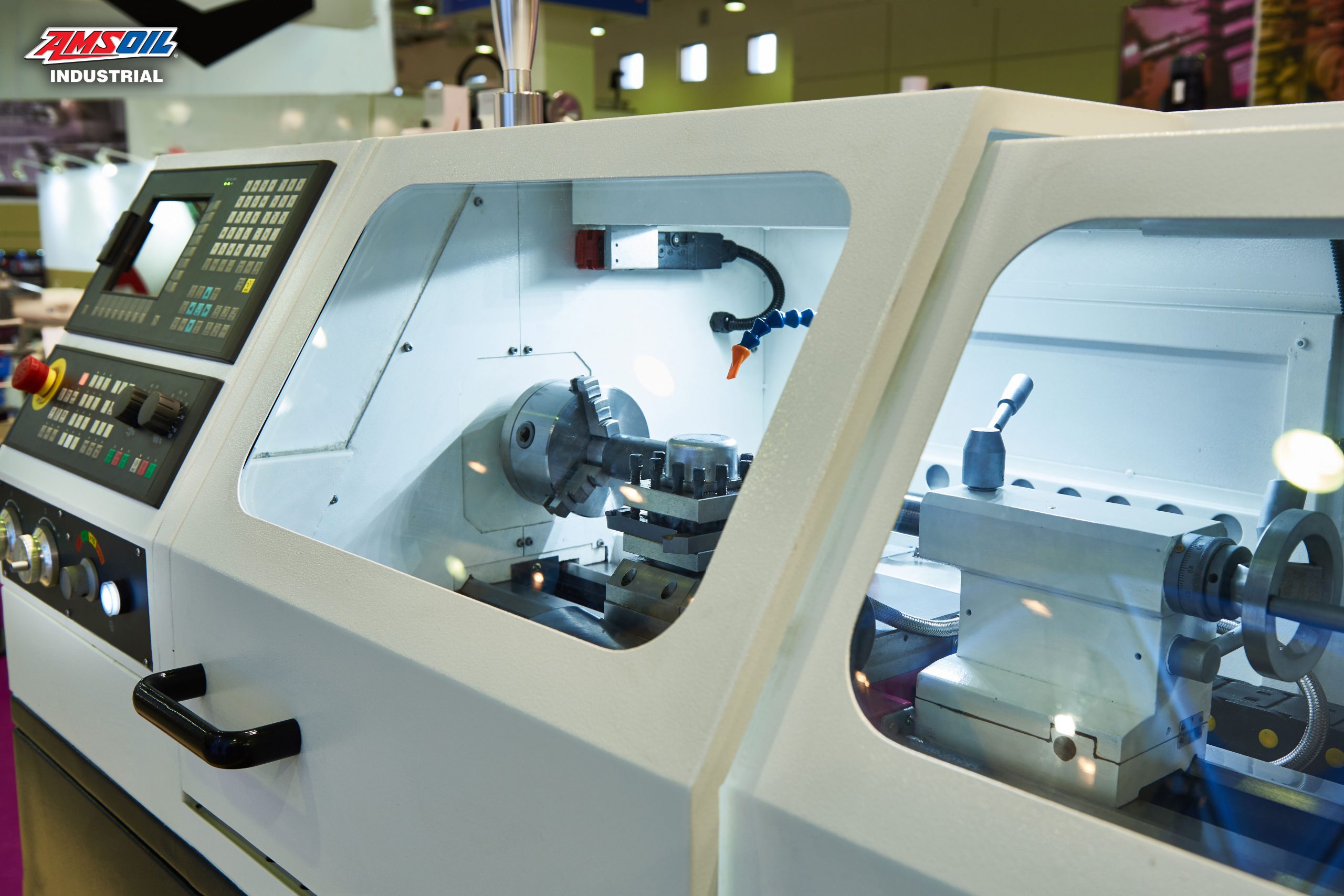
Metalworking coolants perform multiple functions simultaneously. They manage heat, lubricate the cutting interface, flush chips, protect machine components and prevent corrosion on workpieces. Optimizing coolant life is challenging because the fluids interact with a variety of machines, tools, metals, water chemistry and operators every day. Here are some best practices for maximizing coolant life to improve your machining consistency and equipment reliability.
Why Coolant Life Matters
Short coolant life increases fluid consumption, disposal costs and labor hours tied to sump cleanouts and system refills. Degraded coolant also contributes to tool wear, surface finish defects, corrosion and odor issues. Contamination and chemical imbalance reduce heat transfer efficiency and compromise corrosion protection, which can accelerate wear on pumps, seals and machine components.
Extending coolant life requires disciplined monitoring, contamination control, correct handling and routine system maintenance. Clean, well-maintained metalworking fluids support stable machining conditions and predictable performance, while reducing downtime linked to fluid-related problems.
Best Practices for Extending Coolant Life
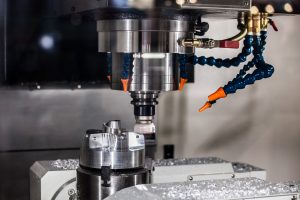
1. Monitoring and Maintenance
Routine monitoring keeps coolant chemistry within the manufacturer’s recommended operating range and enables corrective adjustments rather than reactive fluid replacement. The most important monitoring parameters for extending fluid service life and maintaining machining stability include concentration, pH, water hardness and contamination levels.
• Concentration: Running below the recommended concentration range can lead to reduced part quality, higher tooling costs and increased downtime. Running above the recommended concentration range can lead to increased fluid costs, foaming and residue formation. Running fluids outside the recommended ranges also increases the potential for operator fluid interaction and safety concerns. Correct concentration is the key to fluid optimization and issue resolution. Routine checks should be performed to maintain stable dilution ratios and prevent problems.
• pH: Alkalinity drift indicates chemical degradation, microbial activity or contamination. Low pH increases corrosion risk and potential for biological outbreaks, while high pH can irritate skin and degrade seals. Trending pH data provides early indications of fluid condition changes.
• Water hardness: Excessive calcium and magnesium promote scale formation and destabilize emulsions. Hardness should be measured before initial mixing and during operation to verify makeup water quality.
• Contaminants: Tramp oil, fine metal particles and microbial growth shorten coolant life and impair performance. Visual inspections combined with periodic laboratory analysis helps identify problems before corrective action becomes disruptive.
2. Contaminant Prevention
Metalworking fluids are continuously exposed to contaminants that degrade performance. Contamination control is one of the most effective ways to extend coolant life. Facilities that prioritize contamination exclusion and removal consistently achieve improved fluid stability and longer coolant life.
• Tramp oil removal: Leaked hydraulic and way oils can negatively affect tooling and fluid performance and promote bacterial growth. Belt skimmers, disc skimmers or coalescers help remove oils from the coolant.
• Filtration: Metal fines and abrasive particles accelerate fluid breakdown and wear on pumps and seals. Magnetic separators and depth or cartridge filtration help remove particles before they recirculate through the system.
• Operator training: Many contamination issues originate from inconsistent practices such as improper top-offs, foreign fluid introduction or poor housekeeping. Clear procedures and training reduce variability and protect coolant integrity.
3. Correct Mixing and Top-Off Procedures
Improper mixing practices are a common cause of premature coolant failure. To ensure proper emulsion formation and additive dispersion, concentrate should always be added to water, never water to concentrate. Consistent mixing practices preserve fluid chemistry and reduce the need for corrective treatments during the coolant’s service life.
• Controlled mixing equipment: Venturi mixers or automated proportioning systems provide consistent dilution and reduce operator error.
• Makeup fluid chemistry: Top-off fluid should match the original coolant chemistry to maintain the concentration target. If the coolant concentration is too high, adding water alone can bring the chemistry back in line. However, adding too much water will cause the concentration to fall below target and introduce potential biological, corrosion and tool life issues. Incompatible fluids also destabilize the system and accelerate degradation.
• Water quality: Makeup water should be filtered and monitored for hardness, chlorides and sulfates that contribute to corrosion and scale formation.
4. Routine System Maintenance
System cleanliness directly influences fluid longevity. Even well-managed coolant chemistry cannot overcome neglected system hardware. Residue buildup and stagnant areas create contamination sources that shorten coolant life. Maintaining system cleanliness and regular inspection supports stable chemistry and lower bacterial load that help maintain consistent machining conditions.
• Sump cleaning: Scheduled sump cleanouts remove accumulated sludge, fines and biofilm that degrade fresh coolant.
• Lines and piping: Dead legs and low-flow zones allow contaminants to settle and microbial growth to develop. Periodic inspection and cleaning reduce these risks.
• Tanks and enclosures: Chips and fines that bypass filtration collect in tanks and machine enclosures. Regular removal prevents recontamination.
A Complete, Integrated Approach
Optimizing metalworking fluid life requires an integrated approach that combines specifically engineered fluid formulations, contamination control, disciplined monitoring and routine system-level maintenance. When these elements work together, coolant systems deliver extended service life, improved equipment protection and reduced operating costs.
AMSOIL Industrial takes a holistic, solutions-based approach that includes technical expertise, condition-based support services and specialized metalworking fluids designed to improve efficiency, protect equipment and extend fluid life. Contact an AMSOIL Industrial Application Engineer to discover how easy it is to transition from reactive fluid management to consistent, automated, data-driven fluid performance tailored to your specific operation.
| *Technical properties are general characteristics of the product and not manufacturing specifications. Variations that do not affect product performance should be expected. Product formulations are subject to change without notice. Customers are responsible for determining product suitability for use with their equipment. |